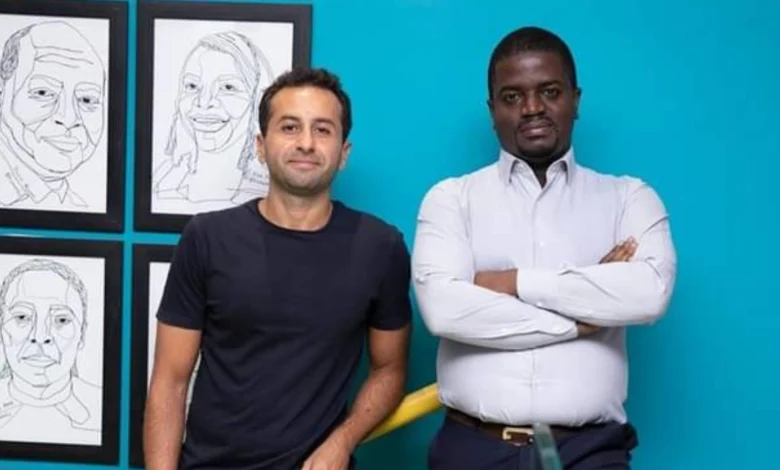

Moove did not become a $2.1 billion company by building another app. It built around one of mobility’s hardest problems: access to vehicles. Founded in Lagos in 2020 by Ladi Delano and Jide Odunsi, and now headquartered in Dubai, Moove has grown from a Nigerian mobility-finance startup into a global infrastructure player.
The company has raised $250 million at a $2.1 billion valuation, operates around 42,000 vehicles across 29 cities in 13 countries, and generates roughly $420 million in annual recurring revenue. But the bigger story is how the model has evolved. Moove began by financing vehicles for ride-hailing drivers who were often excluded from traditional credit. Today, it is moving deeper into fleet operations, charging infrastructure and autonomous mobility.
Its partnership with Waymo puts Moove inside one of the world’s most advanced autonomous-vehicle ecosystems. That changes the investment case. Moove is no longer just solving a financing problem. It is positioning itself at the intersection of capital, physical assets, software and infrastructure. For Africa’s technology ecosystem, that matters. The continent’s biggest startup stories have often been dominated by fintech and software.
Moove suggests another path: build around real assets, operate complex systems, deploy capital efficiently — and scale globally. The next African-born billion-dollar technology company may not simply build the software. It may own the operating layer beneath the market.