In this article
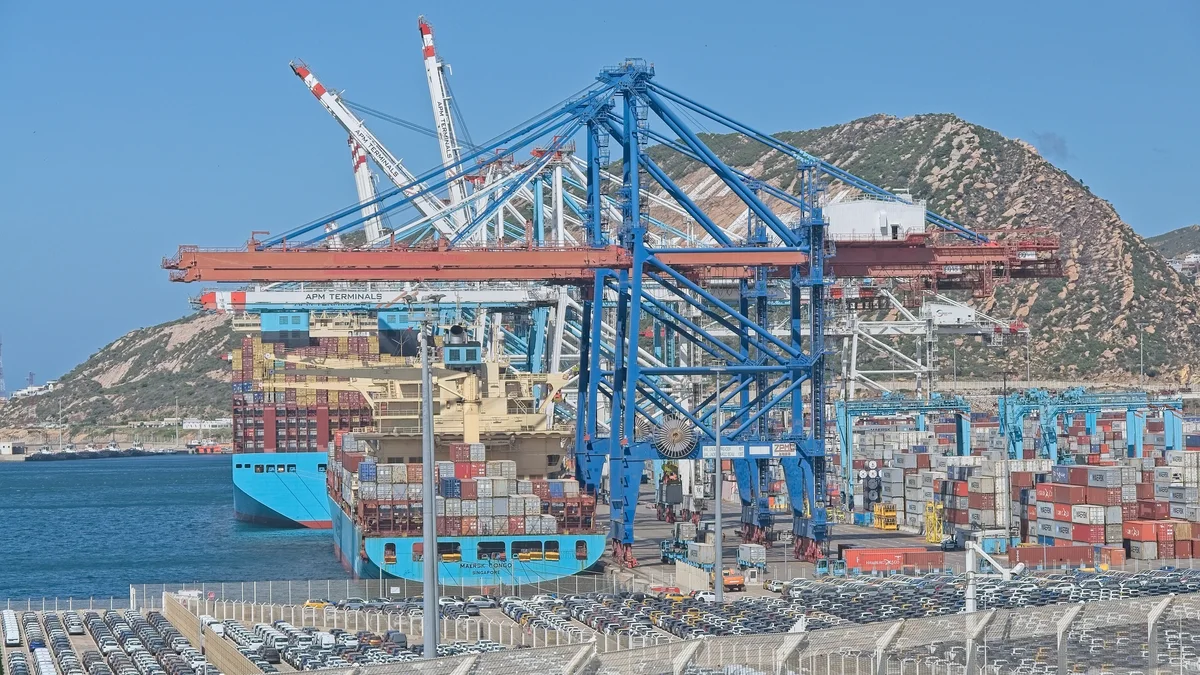
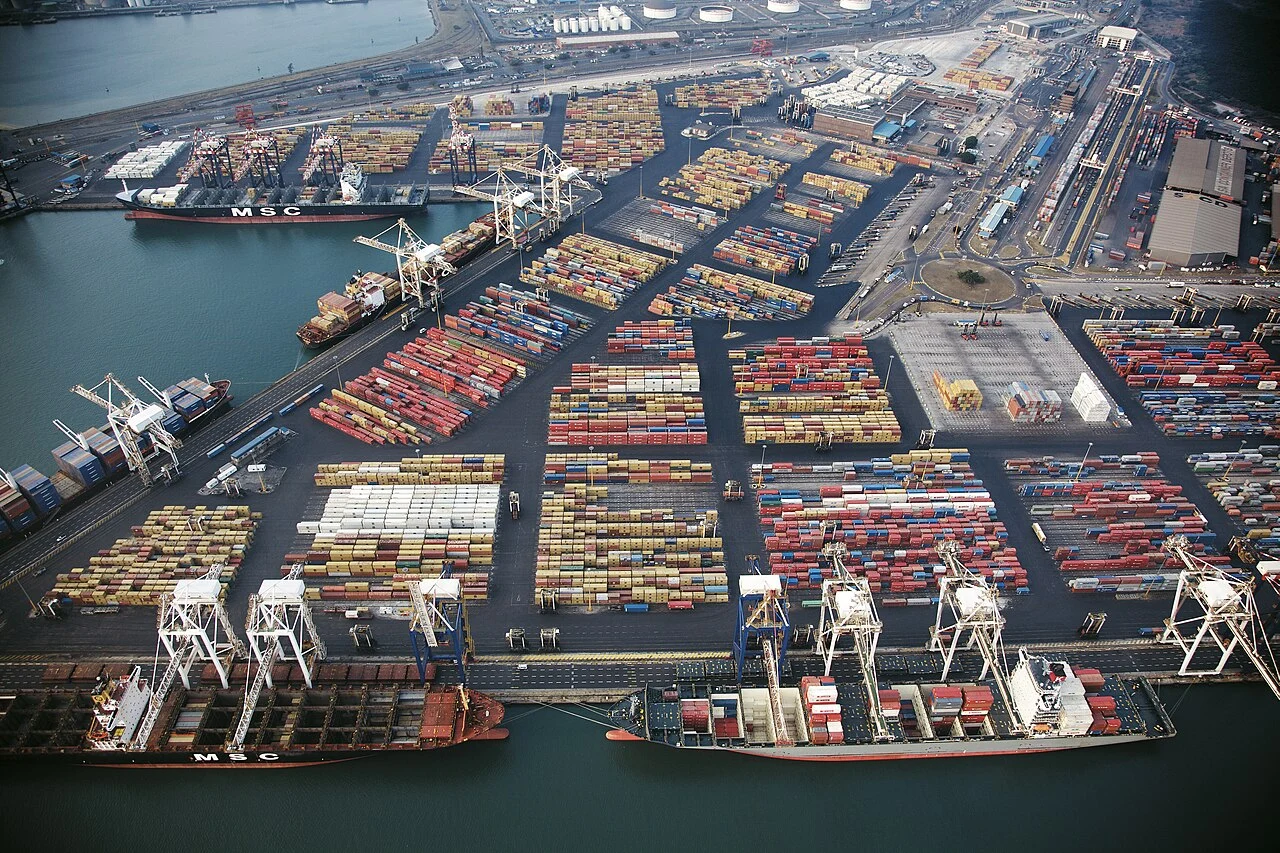
A port is the most visible part of a supply chain. For a business waiting on components, however, the full journey matters: shipping, customs, storage, road or rail transport and the final delivery to a factory or customer. This is an explanatory analysis, rather than a report of a new transaction.
Reliability has a financial value
Uncertain delivery times can force companies to hold extra inventory. That ties up cash which might otherwise fund expansion, hiring or new equipment. A quicker journey can help, but a predictable one can be just as valuable.
Consider a manufacturer dependent on an imported component. A delay can interrupt an entire production line even if the missing item accounts for a small share of the finished product’s value. Looking only at freight costs would miss much of that exposure.
Infrastructure and operations must work together
Physical capacity is necessary, but it is not sufficient. Maintenance, coordination and the quality of information shared across a supply chain can determine whether that capacity is used effectively. Energy reliability is another practical dependency for terminals, warehouses and manufacturers.
For company analysis, logistics belongs beside margins and revenue growth. Questions about inventory days, delivery performance and supplier concentration can reveal how resilient an operating model is. They can also show where an infrastructure improvement might create a measurable commercial benefit.